Noticing odd droppings, scratching sounds or unexplained smells at home can be worrying, but understanding what you are seeing and hearing is the first step to dealing with a rat problem calmly. Early spotting of the signs can keep damage and disruption to a minimum.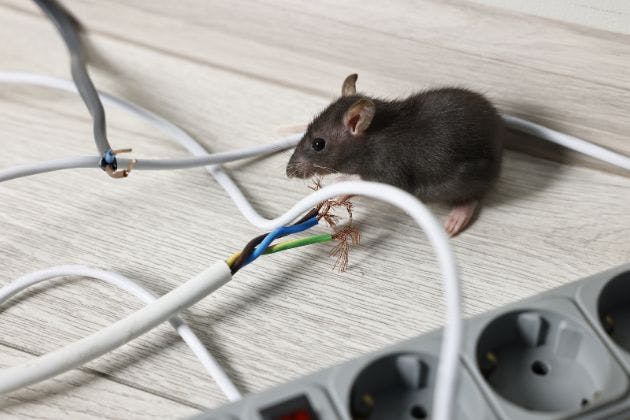
Recognising rat droppings and how they differ from mice
Droppings are often the first clear clue. Rat droppings are usually dark brown, shaped a bit like a grain of rice, and around 1.5 to 2 cm long. They tend to be found in clusters along run routes or near food sources.
Mouse droppings are much smaller, about 3 to 7 mm, and more like tiny black grains. If you are seeing larger droppings with blunt ends rather than tiny pointed ones, you are more likely dealing with rats than mice.
Fresh rat droppings are soft and shiny, while older ones turn grey and crumbly. A mix of both can suggest an ongoing, active infestation rather than a past problem.
Rat droppings: 1.5 to 2 cm, rice-shaped, blunt ends
Mouse droppings: 3 to 7 mm, smaller, more pointed ends
Fresh droppings: darker, softer and shiny
Smear marks, greasy rubs and gnawing damage
Rats tend to travel along the same routes each night, keeping close to walls and skirting boards. As they do, the oils and dirt in their fur can leave smear marks that look like dark, dirty streaks low down on walls, pipes or around gaps.
You might also see greasy rub marks around regular entry points, such as holes under cupboards, gaps by pipework or around loft hatches. These marks can be quite subtle, so a torch held at an angle across the surface can help them stand out.
Gnawing is another strong sign. Rats have to keep their teeth worn down, so they chew on wood, plastic and even cables. Look for chew marks on skirting boards, doors, pipe boxing, insulation or wiring, especially in lofts and behind appliances.
Scratching, scurrying and other noises
Unusual noises, especially at night, are often one of the first things people notice. Rats are mostly active after dark, so you may hear scratching, scurrying or a light thudding sound in loft spaces, cavity walls or under floorboards.
In lofts, sounds often seem to come from above bedrooms or landings, and may be more obvious when the house is quiet. In walls, the noises may move along the wall as the rats travel, sometimes accompanied by a faint rustling of insulation.
If noises are only during the day, it could be other wildlife, but night-time activity combined with droppings or smells points strongly towards rats.
Smells, burrows and changes in your garden
A strong, sharp ammonia-like smell can suggest a rat problem, especially in enclosed spaces such as under-stairs cupboards, kitchen voids or lofts. This smell comes from urine and can build up quickly in areas with poor ventilation.
Outdoors, rats often create burrows. These are usually neat holes, about 6 to 9 cm across, sometimes with worn earth around the entrance. Common spots include along fence lines, behind sheds, under decking and around compost heaps.
You may also notice runways in long grass or along walls where the vegetation is flattened, showing regular movement along the same paths.
Pet behaviour and what it can tell you
Cats and dogs often notice rodent activity before we do. If your pet suddenly becomes fixated on a particular cupboard, wall or corner, or refuses to go into a certain area, it can be a sign they can hear or smell something you cannot.
Watch for repeated sniffing, scratching at skirting boards or staring at ceilings. On its own this is not proof of rats, but combined with other signs such as droppings or noises, it can help confirm your suspicions.
Common rat hotspots in Portsmouth & Fareham homes
In many Portsmouth and Fareham properties, rats favour warm, sheltered spots close to food and water. Lofts are a frequent hiding place, especially in terraced or semi-detached homes where they can move between properties through shared roof spaces.
Under-stairs cupboards can be another hotspot, particularly when they back onto kitchens or contain pipework. In kitchens, rats may use hidden voids behind units, under kickboards or around appliances like fridges and dishwashers.
Outside, sheds and garages are popular because they are quiet, dry and often used for storing bird food, pet food or rubbish. Keeping these areas tidy and checking them regularly can help you spot activity early.
Staying safe when you spot signs of rats
Rats can carry diseases, so it is important to take simple safety steps if you think you have an infestation. Avoid disturbing suspected nests in lofts, sheds or wall voids, as this can spread dust and droppings into the air.
Do not vacuum or sweep up droppings dry. Instead, ventilate the area by opening windows, then use disposable gloves, a suitable disinfectant and disposable cloths to carefully clean hard surfaces.
Wear gloves and a mask when cleaning affected areas
Bag contaminated waste securely before putting it in the bin
Wash your hands thoroughly after any contact with soiled areas
If you suspect rats have been near food, pet bowls or worktops, clean and disinfect these surfaces and throw away any food that may have been contaminated. For larger infestations or hard-to-reach areas like lofts and cavities, professional help is strongly recommended.
When to call a professional pest controller
If you have noticed two or more of the signs above, such as droppings and scratching, or smells and gnawing, it is sensible to arrange a professional inspection. Early action can prevent damage to wiring, insulation and pipework, and reduce the risk of health issues.
A professional pest controller can confirm whether you are dealing with rats or other pests, trace entry points and advise on proofing to stop the problem returning. They will also use treatments safely, with consideration for children, pets and neighbours.
Pegasus Pest Solutions offers expert rat and rodent control, with detailed inspections and safe, effective treatment plans tailored to your home. You can learn more about their rodent control services, as well as options for Portsmouth rodent problems and Fareham rodent issues, on their service pages.
Book an inspection with Pegasus Pest Solutions
If you have spotted two or more signs of a possible rat infestation, it is a good time to get things checked properly. Pegasus Pest Solutions can carry out a thorough inspection, explain what they find in clear terms and guide you through the next steps.
For friendly, professional help, contact Pegasus Pest Solutions on 02393092101 to arrange an inspection and start taking your home back from unwanted visitors.