Most mouse problems in a home take a few weeks to clear, not a few days. For a typical house with a small group of mice that have moved in recently, two to five weeks from the first visit to the last is normal. A larger or long-standing infestation can take longer.
This post explains what happens in that time, why mouse bait works slowly on purpose, what decides how long your treatment takes, and what you can safely do to help. The one thing that tends to slow everything down is putting shop-bought poison around the house alongside a professional treatment.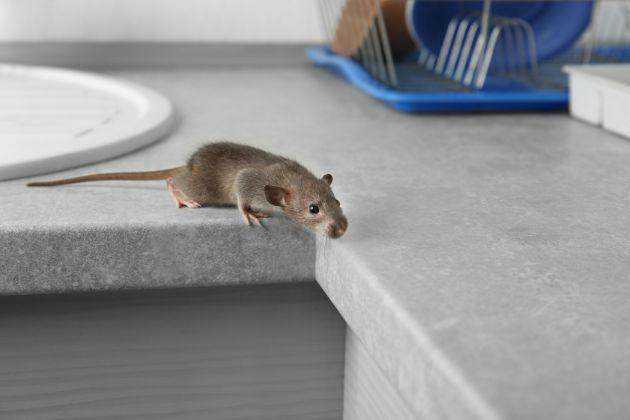
Why mice are a problem at this time of year
As the nights get colder in autumn, mice move from gardens, hedges and fields into lofts, wall cavities and the gaps behind kitchen units. They are looking for warmth and food, and a heated home offers both.
Mice also breed quickly, with a new litter possible every few weeks. That is the main reason timing matters. A treatment that starts when you first hear scratching or find a few droppings is usually shorter than one that starts after a whole winter of breeding.
What a typical treatment looks like, week by week
Most mouse treatments follow the same pattern:
- First visit: a survey of the house to find droppings, runs (the routes mice use along walls and pipes) and the gaps they use to get in. Traps and tamper-resistant bait boxes are then placed where the mice are active. A tamper-resistant bait box is a locked plastic box that holds the bait inside, so children and pets can't reach it.
- The first week: mice find the bait and start eating it. You may still hear or see signs of them for several days, which is normal.
- Follow-up visits: usually a week or so apart. Each checks how much bait has gone, resets traps, removes any dead mice that can be reached and adjusts the plan.
- The final visit: once there is no fresh sign of mice, the bait is taken away and the entry points are sealed.
Why mouse bait works slowly on purpose
Most professional mouse baits are anticoagulants, which means they stop the blood from clotting. They are designed to take effect slowly, usually over four to ten days after a mouse has eaten them.
That delay is deliberate. If mice fell ill straight after eating, the others would learn to avoid the bait. Because the effect is slow, the whole group keeps feeding until they have all taken enough.
Bait shouldn't be left down indefinitely, though. The UK industry code for responsible rodenticide use says bait should normally have done its job within 35 days. If mice are still eating it after that, something else is going on, such as a new way in, and the plan needs to change rather than simply adding more bait.
What decides how long your treatment takes
A few things make the biggest difference to the timescale:
- How long the mice have been there. A few recent arrivals clear far more quickly than an established colony that has been breeding for months.
- How many ways in there are. Every unsealed gap lets new mice replace the ones that have gone.
- Other food on offer. Mice that can eat pet food, bird seed or crumbs have less reason to take the bait.
- Where they are living. Mice in an open loft are easier to reach than mice in cavity walls, under floors or behind boxed-in pipes.
- The building itself. In terraced and semi-detached homes, mice can move through shared roof spaces and wall cavities, which can make treatment take longer.
Safe things you can do to help
You can shorten a treatment by making the bait the easiest meal in the house. Keep all food in sealed containers, including cereal, pet food and bird seed, and wipe up crumbs at the end of each day. Don't leave pet bowls down overnight.
Leave traps and bait boxes exactly where they have been placed, and never open them. Moving them, even slightly, can put mice off.
Keep a simple note of where and when you hear noises or find droppings. It shows your technician whether activity is dropping.
If you need to clean up droppings, wear rubber gloves and dampen them with disinfectant first. UK health guidance warns against sweeping or vacuuming dry droppings, because this lifts particles into the air where they can be breathed in.
Avoid putting your own poison down at the same time. It is a risk to pets and children, it makes it harder to judge whether the treatment is working, and mice that eat it can die out of reach inside walls.
Why sealing the gaps is part of the timescale
Clearing the mice that are already inside is only half the job. Unless the ways in are sealed, new mice will simply replace them and the clock starts again.
Mice can squeeze through surprisingly small gaps, often around pipes, behind kitchen units, under doors and through damaged air bricks (the vented bricks low down on outside walls). Our guide on how to find where mice are getting into your house covers the usual places to look. Never block air bricks or boiler flues to keep mice out, as your home needs that ventilation. Mesh can keep mice out while letting air through, which is part of our rodent and pest proofing service.
What if you still notice signs afterwards
A faint smell for a week or two after treatment can mean a mouse has died somewhere out of reach, such as under a floor. It usually fades on its own, but tell your technician if it is strong or doesn't ease.
Fresh droppings or scratching after the final visit are different. They usually mean a new way in, or a mouse that never took the bait, and are worth reporting straight away rather than waiting.
If you are hearing scratching in the walls or finding droppings in the cupboards this autumn, starting early usually means a shorter treatment. At Pegasus Pest Solutions, a mouse job starts with a survey to find where the mice are living and how they get in, followed by traps and tamper-resistant bait stations, return visits to check progress, and proofing to keep them out. You can book a survey through our rodent control service.