After a wasp nest has been removed, many homeowners feel immediate relief, but it is normal to wonder how to keep the problem from returning. Gardens can remain attractive to wasps if the conditions that allowed nesting in the first place are not addressed. With a few sensible steps and ongoing awareness, you can protect your outdoor space and enjoy it without constant concern.
How to Stop Wasps from Coming Back After Nest Removal
Remove All Traces of the Old Nest
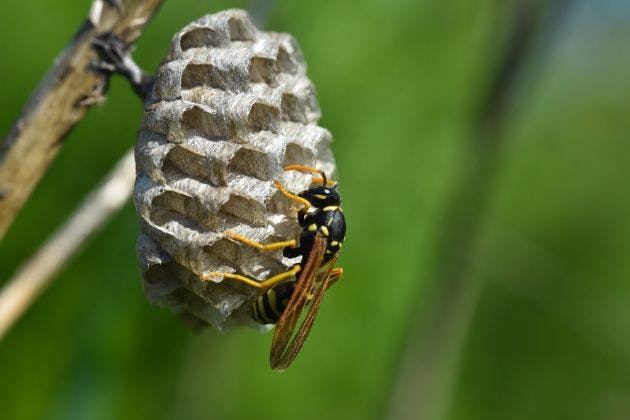
Once it is confirmed safe by your pest control professional, make sure any remaining nest fragments, fallen debris, or disturbed materials are carefully cleared away. Old nest material can still carry scent markers that draw other wasps to the same spot. Cleaning the area thoroughly helps break that cycle and discourages further interest.
Check Sheds, Fences and Garden Buildings
Garden structures are common nesting locations, especially sheds, playhouses, pergolas, and fence panels. Inspect these areas closely for small gaps, loose boards, or cracks where wasps could gain access. Carrying out simple repairs and sealing openings reduces the number of sheltered spaces that attract nesting insects.
Keep Food and Drinks Under Control Outdoors
Wasps are strongly drawn to food, particularly sweet and protein-rich items. When spending time in the garden, keep food covered and clear plates promptly after use. Outdoor bins should have tight-fitting lids and be cleaned regularly to remove residue that can attract insects from a distance.
Manage Plants and Overgrown Areas
Dense vegetation and neglected corners of the garden provide ideal hiding places for wasps. Regular pruning of hedges, shrubs, and climbing plants improves visibility and airflow, making the space less appealing for nesting. Keeping compost areas tidy and well managed also reduces the risk of wasps settling nearby.
Be Mindful of Water Sources
Water is essential for wasps, especially during dry spells. Leaking taps, overflowing water butts, and decorative water features can attract them into your garden. Check for drips and standing water, and fix issues where possible to make the area less inviting.
Watch for Early Signs of Activity
A small number of wasps flying repeatedly to the same spot can indicate the early stages of a new nest. Spotting this behaviour early allows you to act before the situation escalates. Early intervention is always simpler and less disruptive than dealing with a fully formed nest later on.
Know When To Call a Professional Again
If you notice persistent wasp activity or signs of nesting despite preventative steps, it is best to seek professional advice. Attempting to deal with a new nest yourself can be risky and often leads to incomplete results. Professional support ensures the problem is handled safely and effectively.
Looking for long-term protection after wasp removal in Portsmouth, Fareham and Hampshire?
Pegasus Pest Solutions offers expert follow-up advice and professional pest control services to help keep your garden and property protected. Call us on 07501702101 or 02393092101, or fill out our contact form to schedule a visit today.